
Introduction
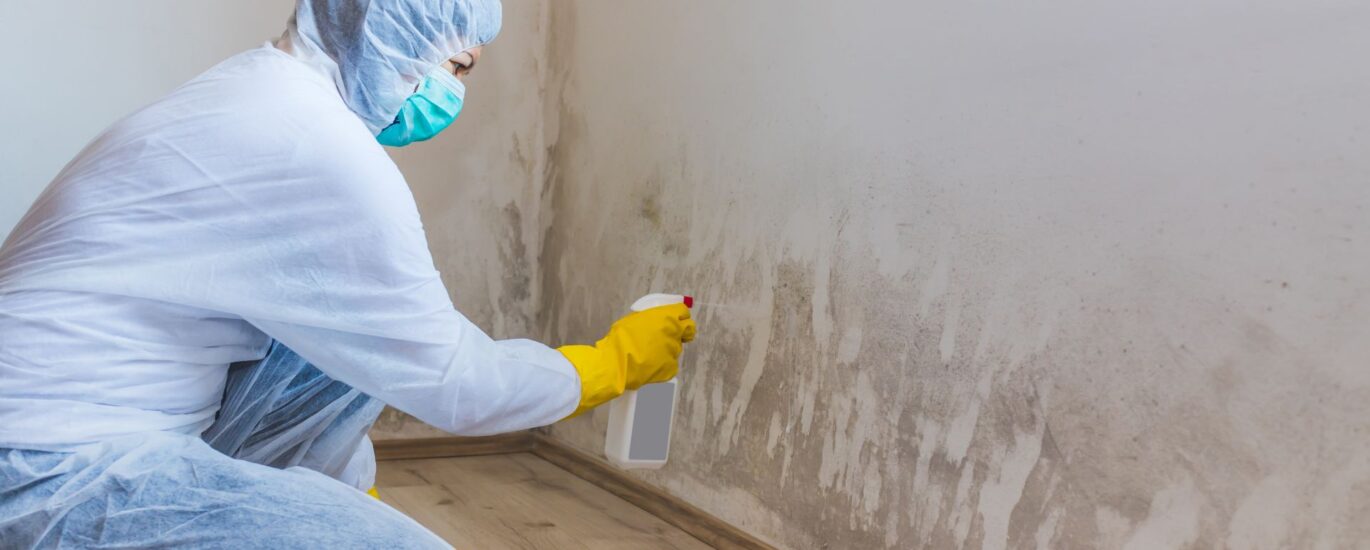
Mold often starts small — a damp corner, a faint musty smell, or discoloration on drywall. But left unchecked, it can spread fast, damage building materials, and affect indoor air quality. In this post, we’ll cover how to spot mold early, what happens if you delay remediation, and when it’s time to call in the pros (like via our mold remediation service or reach us via our contact page).
Why early detection matters
- Health concerns: Mold spores can trigger allergies, respiratory irritation, or worsen asthma in susceptible individuals
- Material damage: Mold can eat away at drywall, wood, insulation, and wallpaper
- Hidden growth: By the time you see visible mold, there may already be hidden growth behind walls, under flooring, or in ductwork
Common signs of mold in your home or building
You don’t always see mold right away. Look for:
| Sign | What it could indicate |
|---|---|
| Musty or earthy odor | Invisible spore presence |
| Dark or fuzzy spots (black, green, brown) | Surface mold growth |
| Water stains or discoloration | Past or current moisture intrusion |
| Peeling paint or wallpaper | Mold pushing through behind layers |
| High indoor humidity (above 60%) | Supportive environment for mold growth |
| Condensation on windows, pipes | Elevated moisture levels |
| Respiratory or allergy symptoms indoors | Response to mold exposure |
If you notice several of these together, that’s a strong signal to take action.
What happens if you delay remediation
Delaying mold cleanup comes with risks:
- Spread over larger areas
A small patch can expand behind walls or insulation, making remediation more invasive and costly. - Worsened indoor air quality
As mold reproduces, it releases spores into the air, which may aggravate allergies, coughs, or other symptoms. - Structural and material damage
Mold can weaken wood, rot framing, degrade drywall — compounding repair costs. - Hidden mold surprises during renovations
If you remodel or open up walls later, you might uncover mold in unexpected places.
That’s why acting early is wise.
When to call a mold remediation specialist
You might consider professional help when:
- Mold covers more than a small patch (e.g. > 10 sq ft)
- You suspect mold behind walls, under flooring, or in HVAC systems
- Occupants have significant health symptoms
- You lack the equipment, safety gear, or experience to contain spores
- You want to ensure long-term results
Our team offers specialized mold remediation techniques to manage containment, spore control, and moisture sources. Visit our mold remediation page to see details, or use our contact page to get in touch with us.
What to expect during the remediation process
A typical professional mold remediation job may include:
- Inspection and assessment
Use moisture meters, infrared cameras, or air sampling to identify all affected zones - Containment
Seal off work zones with plastic sheeting, use negative air pressure, close HVAC vents - Removal of affected materials
Remove mold-infested drywall, insulation, carpeting, or other building materials - Cleaning and disinfection
HEPA vacuuming, antimicrobial treatments, scrubbing of surfaces - Drying and dehumidification
Use dehumidifiers, air movers to fully dry areas - Reconstruction or repairs
Replace removed materials, patch, paint, restore surfaces - Final verification
Confirm that mold is removed and moisture levels are controlled
Each stage is important to prevent mold from returning.
How to prevent mold from returning
Post-remediation, focus on moisture control:
- Repair leaks (roofs, pipes, windows) promptly
- Ensure proper drainage around foundation
- Use dehumidifiers or ventilation in damp areas (bathrooms, basements)
- Maintain relative humidity below 50–55%
- Ensure good airflow behind furniture and around walls
- Monitor condensation and insulate cold surfaces
If mold returns, it may suggest unresolved moisture issues or incomplete cleanup. In that case, consider revisiting a full mold remediation service.
Conclusion
Spotting mold early and acting quickly is the key to minimizing damage and health risks. When signs begin to appear, get a professional assessment and remediation. You can read our full service details on our mold remediation page or connect with us today via our contact page to discuss how we can assist you.


